



A white label partner is the outside team that builds, launches and maintains the websites your agency sells under its own brand. Choosing one comes down to seven questions: who your client sees, who owns the work, how the team fits your tools, where design gets approved, how work is tested, what happens after launch and how pricing works.
We’ve been that team behind agencies in the US and UK for six years. Here’s what we’d ask if we were on your side of the table.
What a white label partner does (and doesn’t)
A white label partner does the production work behind your agency: design, development, testing, launch and maintenance. You keep the client, the relationship and the margin. The partner stays behind your brand.
The term covers two different things, and search results often mix them up:
- Production partners are teams that design, build and support client sites for you. That’s what this guide is about.
- Reseller platforms are hosting or maintenance tools you resell under your brand, like InstaWP. They’re useful, but they don’t design or build anything.
A white label partner isn’t a freelancer marketplace either. With freelancers, quality depends on who’s free that week. With a partner, you get one team, one process and the same standards on every project.
7 questions to ask before you choose a white label partner
Most agencies pick a partner from a portfolio and a price. Both matter, but neither tells you how the partnership will work in month three. These questions do.
1. Will my clients ever see your name?
The answer should be a flat no. No logo in the footer, no credits in the code, no emails from the partner’s domain. A good partner signs your NDA before seeing the brief and works through your channels. If you want them on client calls, they join as part of your team.
2. Who owns the code and design files?
You and your client should. Ask for it in writing: full handover of code, design files and access, with no lock-in. If a partner keeps the source files or hosts your client sites on its own servers, leaving later gets expensive.
3. How do you fit into our tools and working hours?
Your team shouldn’t learn a new system to work with a partner. Ask whether they’ll work in your Slack and your project tool, whether that’s Jira, Asana, ClickUp or Trello. Ask who your single point of contact is. Then check time zones: a partner with no overlap with your working day turns every question into a 24-hour wait.
4. Where does design get approved?
This is where most revision rounds come from. Ask whether design is approved before development starts, and who signs it off. A partner that starts coding from a rough brief saves a week at the start and costs you more at the end.
5. How do you test before handover?
Ask what they check before your team sees the site: devices and browsers, forms, speed, broken links. If the answer is “we fix what you find”, your senior people become the QA team. That’s the problem you were trying to solve.
6. What happens after launch?
Client requests start after launch, not before. Ask how long post-launch support lasts, and whether the partner can take on ongoing maintenance under your brand: updates, backups, security, uptime monitoring and bug fixes. That’s recurring revenue for your agency, if the partner can deliver it.
7. How does pricing work, and what happens to unused hours?
Fixed price per project or a monthly pool of hours? Both work, for different situations (more on that below). For monthly plans, ask what happens to hours you don’t use, and how the plan changes when your workload drops or grows. Billing should go to your agency, so your margin is yours to set.
Red flags that a partner will cost you more than it saves
- No written process. If they can’t describe how a project goes from brief to launch, every project will go differently.
- A price before questions. A quote that doesn’t ask about templates, integrations and content is a guess. You’ll pay for the difference later.
- Their name on your client’s work. Credits in the footer, their name in the code, their email in support tickets.
- No agency references. Reviews from direct clients are good. Reviews from agencies they’ve worked with white label are better.
- Slow answers before you sign. Response times rarely improve after the contract.
Project-based or monthly partnership: which fits your agency
Most white label partners offer some version of the same three models. Here’s how they compare, with our prices as an example.
A simple rule: if you sell a web project now and then, pay per project. If your clients keep coming back with new pages, fixes and updates, a monthly pool of hours is easier to plan around than a new quote every time.
Our project price is the starting point for a standard marketing site. Larger builds, with more templates, e-commerce or integrations, are quoted by scope. On monthly plans, spare hours go into improvements on your client sites, and if you use fewer hours three months in a row, we lower the plan together. All prices are in USD and billed to your agency. You’ll find the details on our white label partnership page.
How we work as a white label WordPress agency
We’re a WordPress development team from Belgrade, working behind agencies in the US and UK. Here are our answers to the seven questions above:
- No Santos branding anywhere your client can see, and we’re happy to sign your NDA.
- You and your client own everything we build, with no lock-in.
- We work in your Slack and your project tool. Belgrade is one hour ahead of London and shares two to three hours a day with the US East Coast.
- Design is approved before development starts.
- After launch, we maintain what we built under your brand.
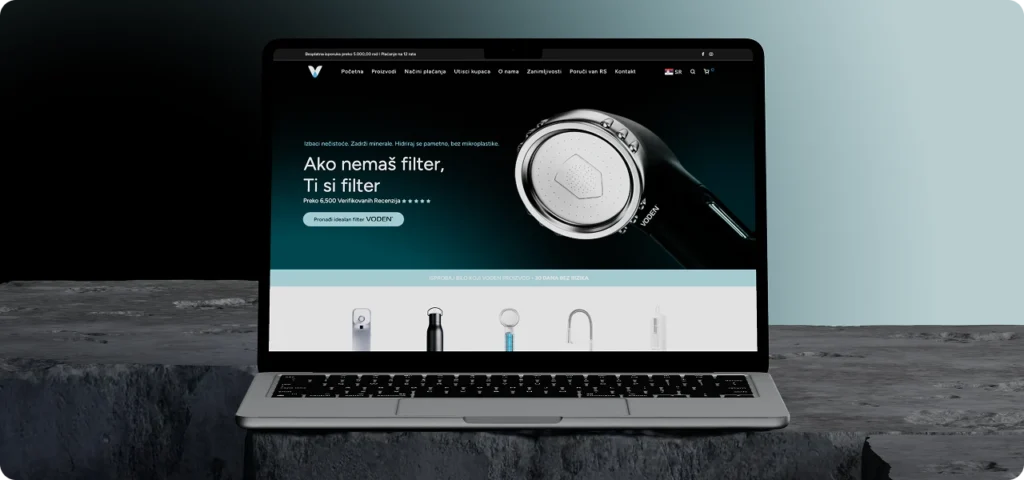
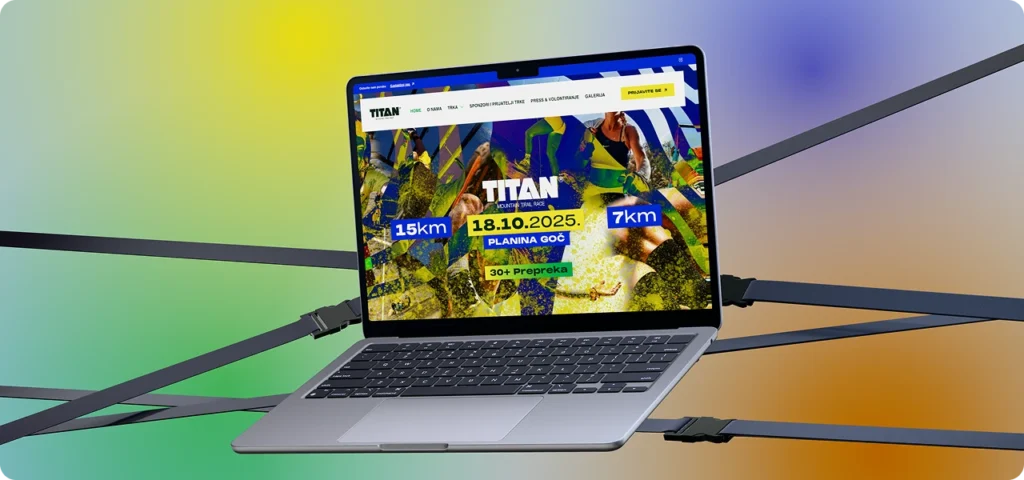
Most partnerships start within about a week of the first call. For Vitaccess, we’ve developed more than 85 pages, and we’re still working together.
“Their project management is incredible. They always deliver on time and are very communicative.”
 Emma Gaedeke
Co-Founder, G&G Creative NYC
Not sure yet whether you need a partner? Start with 5 signs your agency should white label web development. If you’re ready to talk, book a call and tell us about your pipeline.
FAQ
What is a white label partner?
A company that delivers a product or service your business sells under its own brand. In web work, it’s the team that designs, builds and maintains client sites for your agency, while you keep the client.
How do I choose a white label partner?
Check seven things: no branding your client can see, full ownership of the work, a fit with your tools and time zone, design approval before development, testing before handover, support after launch and clear pricing.
How much does a white label WordPress agency cost?
It depends on scope and model. At Santos Digital, projects start at $3,500 and a monthly partnership is $1,200 for 30 hours.
Will my clients know I work with a white label partner?
Only if you tell them. A good partner leaves no branding on the site, in the code or in emails, and works through your channels.
How fast can a white label partner start?
With us, most partnerships start within about a week, after a short call to align on your process and first projects.